DBI counts an apartment building’s repipe in units: each existing apartment and each condominium takes its own plumbing permit, and the fee category climbs with the size of the building. For owners and boards of pre-war buildings in Pacific Heights, the Marina, Russian Hill and Nob Hill, Hilltop Repipe San Francisco scopes and manages repiping, from apartment building repiping of every riser to condo and HOA repiping of a single unit, with licensed and insured contractors doing the work.
This page is about these neighborhoods’ buildings and the decisions an owner or board faces in them. How the work itself runs, riser by riser, is on the apartment building service page.
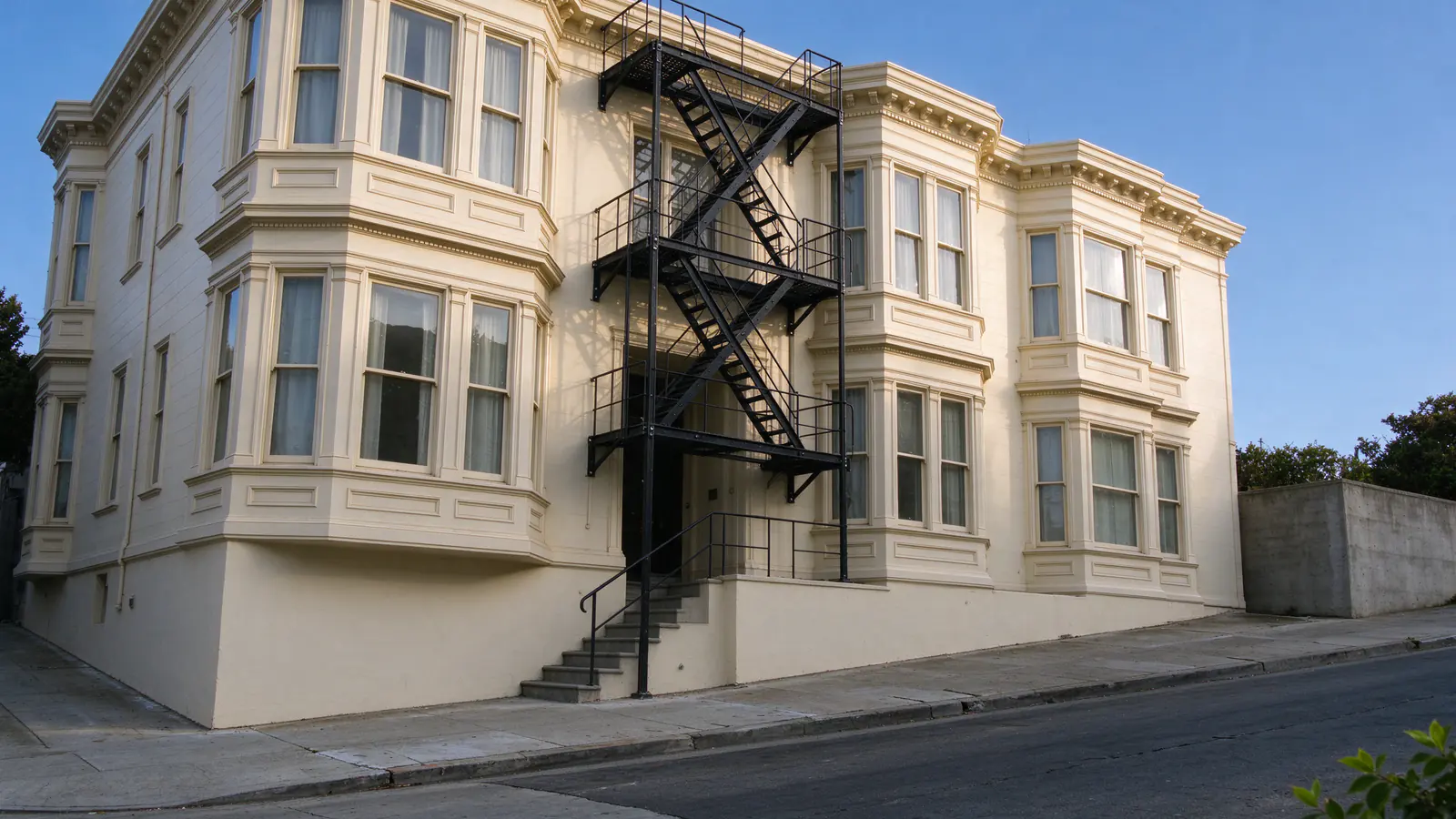
Five units and up, mostly built before 1940
In the Census Bureau’s ZIP area covering Nob Hill, Russian Hill and Polk Gulch, 87.6% of housing units are in buildings of five or more units, 56.1% were built in 1939 or earlier, and 83.2% are rented. In the area covering Pacific Heights and the Western Addition, 66.2% of units are in buildings of five or more. In the Marina and Cow Hollow area it is 55.9%, with 63.3% of units built before 1940. A building that old was piped when galvanized steel was standard, and where it has been repaired over the decades, each repair used whatever was current, so one stack can differ from the next. Building age is context, not a diagnosis: only tracing the pipe in a building says what it holds.
DBI’s permit data records 39 domestic water repipe permits from 2021 to 2025 across these and neighboring districts, 12 of them in Pacific Heights and 6 in the Marina, and 119 over 2016 to 2025. Many permits list only a work code, so the real count is higher.
Permits that scale with the building
DBI sets plumbing fees by category, and the residential categories step up with unit count. A separate permit is required for each existing apartment unit and condominium unit, and each category on a permit is charged separately, so a building’s permit set is worked out when the licensed contractor files on PermitSF.
| Building size | DBI plumbing fee category |
|---|---|
| 6 or fewer units | $549, or $809 with underground plumbing |
| 7 to 12 units | $1,045 |
| 13 to 36 units | $2,104 |
| Over 36 units | $8,679 |
| Re-inspection or extra inspection | $259 per half hour |
The per-unit rule shows up in practice. In the first weeks of plumbing filings on PermitSF, 15 of 40 repipe-related permits citywide were per-unit permits at one apartment building, most of them for repiping the water with PEX. The San Francisco repiping permit guide explains each step.
The backflow assembly at the meter
San Francisco’s Section 606.11 requires an approved backflow assembly, at least a double check, near the meter in any building four or more stories tall or where the supply rises more than 40 feet above the meter. Where a building on these hills reaches that height, the repipe scope includes the assembly at the street end of the system, not only new pipe inside.
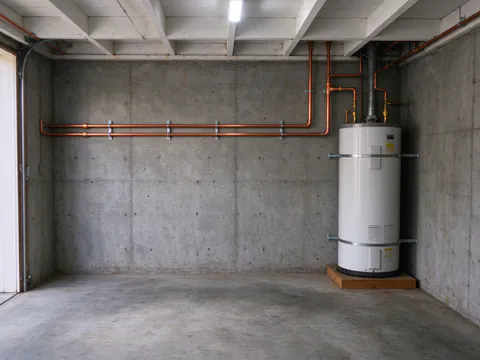
That device changes the rest of the system. Once a check valve or backflow preventer closes the building off from the main, water heated in a storage tank has nowhere to expand, and Section 608.3 of the California Plumbing Code requires a listed expansion tank on the building side. Both items appear in the written scope, along with where they will sit and how they will be reached for testing.
Pressure from the meter to the top floor
SFPUC runs about 13 pressure zones fed from reservoirs and tanks at different elevations, and publishes no customer pressure range, so pressure is measured at each building. Height matters too: water loses roughly 0.43 psi of static pressure for every foot it climbs, so a fixture 40 feet above the meter starts about 17 psi behind one in the basement. Where static pressure at the meter exceeds 80 psi, the code requires a pressure regulator with a strainer and an expansion tank, and new pipe is sized on 80% of the reduced pressure.
Narrowed galvanized risers hurt the top floors first, because those fixtures start with the least pressure. A repipe sized from measured pressure and the actual height of the building fixes the pipe part of that; it cannot add pressure the supply doesn’t deliver. The low water pressure guide separates the causes.
One riser at a time, or the whole building
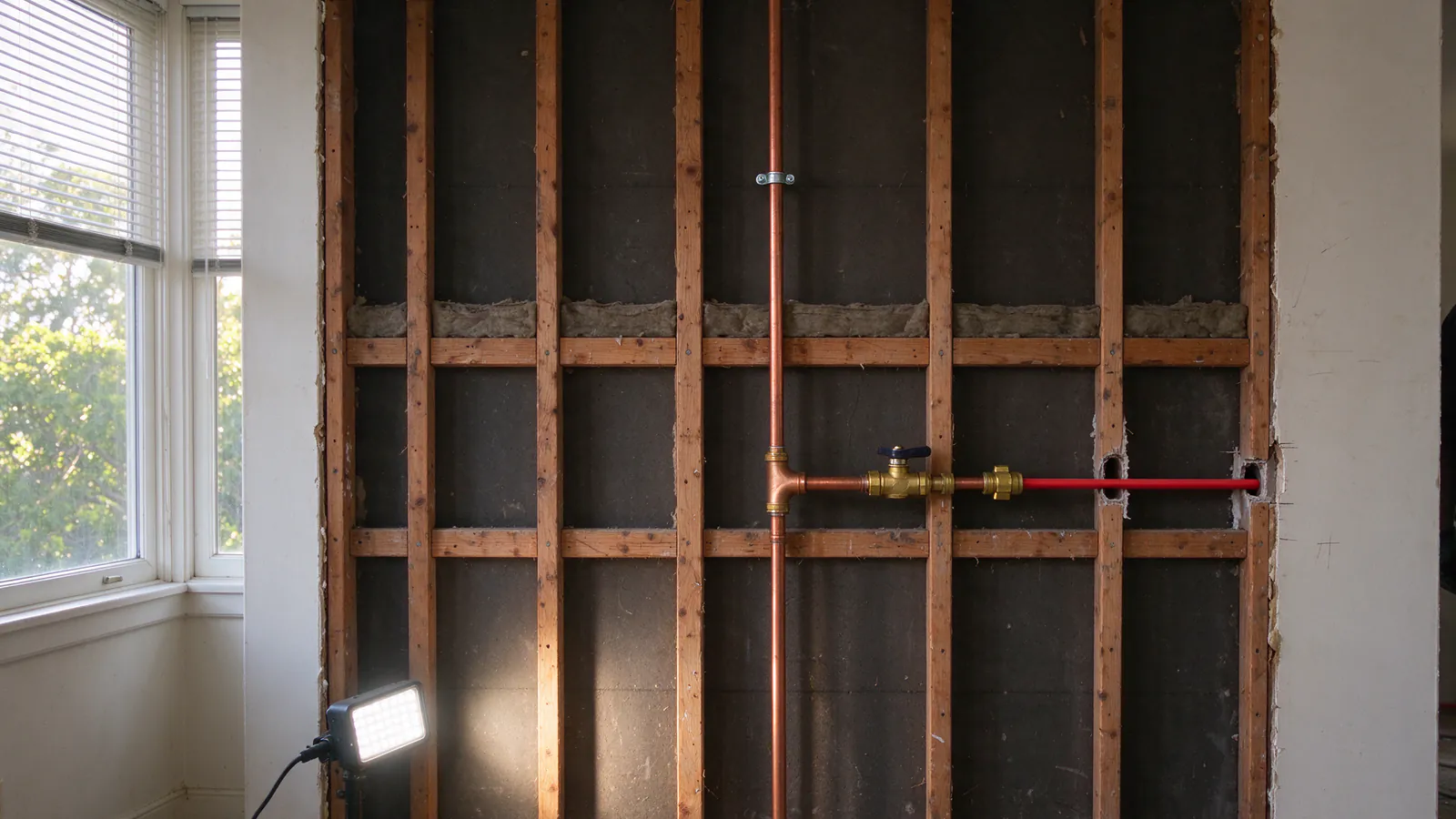
The central choice is between two approaches. Riser-by-riser work replaces one vertical stack and the units on it, spreads cost over time and disturbs fewer households at once, but leaves the old horizontal mains in service, so every new-to-old joint needs a dielectric or insulating fitting where copper meets steel. A whole-building repipe replaces mains and risers together, tests the system as one and adds the per-unit shutoffs San Francisco requires in every dwelling unit, but touches every unit in the same season. Neither is right for every building; the walk-through, the number of occupied units and how the building is managed decide it. Copper repiping and PEX repiping cover the two materials the code allows for this work.
Planning a repipe for a building on the hill?
Send the unit count, stories and where the risers run. The permit set, phasing and scope come back in writing.
Condominiums and owners’ associations
In a condominium building, the plumbing code does not decide who owns which pipe; each building’s governing documents do. What the code does decide is the permit: DBI requires a separate permit for each condominium unit, so one owner’s in-unit repipe is permitted on its own, while risers serving several units usually come into a building-wide project. Agreeing who pays for what before the scope is written avoids a job that stops at an owner’s wall while the riser behind it stays old.
Cost recovery under the six-unit rules
For a rent-controlled building of six or more units, a certified capital improvement generally passes only 50% of its cost through to tenants of the building, amortized over 10 years for new plumbing and capped each year at the greater of $30 or 10% of base rent; a tenant may instead elect a 100% passthrough capped at 5% a year and 15% in total. If the work is expected to cost more than $25,000 times the number of units, the landlord must tell each tenant and the Rent Board in writing within 30 days. Buildings of five or fewer units follow different terms, 100% over 20 years. Whether a repipe is certified is the Rent Board’s decision, and the guide to whether repiping is a capital improvement covers the petition.
The Marina and Cow Hollow mix
The Marina and Cow Hollow are less uniform than Nob Hill. In their Census ZIP area, 27.0% of units are in buildings of two to four units and 17.1% are single-unit, alongside the larger apartment buildings. Those smaller buildings fall under DBI’s six-units-or-fewer category and the Rent Board’s one-to-five-unit terms, and plan more like the flats of the Mission and Noe Valley than like a large building.
Before walls open in a large building
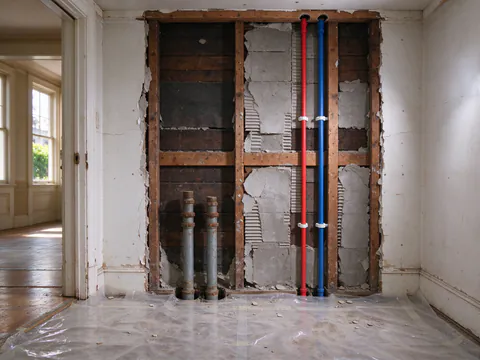
Most units here are in buildings built before 1980, and San Francisco presumes paint in pre-1979 buildings contains lead. Section 327 of the city’s Existing Building Code applies inside apartment buildings: containment, a posted “Lead Work in Progress” sign and notice to occupants at least three business days before work starts. The Air District’s asbestos rule requires a survey before renovation in residential buildings of more than four units, and old insulation on heating pipes can be a separate concern where it sits near the water lines. The guide to how invasive repiping is shows the openings, and old-house repiping covers plaster-and-lath interiors.
Budgeting a building
No published per-unit price fits a pre-war building of this size, so the scope sets it: units and risers, stories and access through occupied units, the backflow assembly and any regulator, per-unit permits, lead-safe setup and patching. Labor is part of the gap with national figures. The Bureau of Labor Statistics reports that plumbers in the San Francisco-Oakland-Fremont metro earn a mean $44.41 an hour against $34.70 nationally, about 28% higher; a wage is not a billing rate, which also carries insurance, licensing, vehicles and overhead. The repipe cost guide lays out each driver.