When a pipe bursts, the first job is to stop the water, and that is usually something you can do yourself: close the main valve where the water enters the building. Hilltop Repipe San Francisco provides emergency pipe repair 24/7 for burst pipes and active leaks across San Francisco, Daly City and South San Francisco, with the repair carried out by licensed and insured contractors. Call once the water is off, or while you look for the valve.
This page is for the first hour. Planned repairs are covered under pipe repair, and a leak you can hear or see the effects of but not find is a job for water leak detection.
What to do first
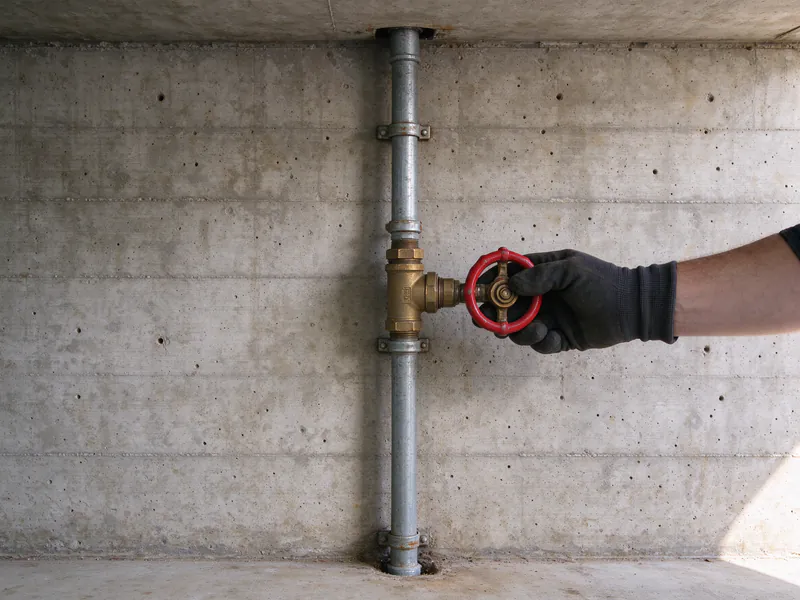
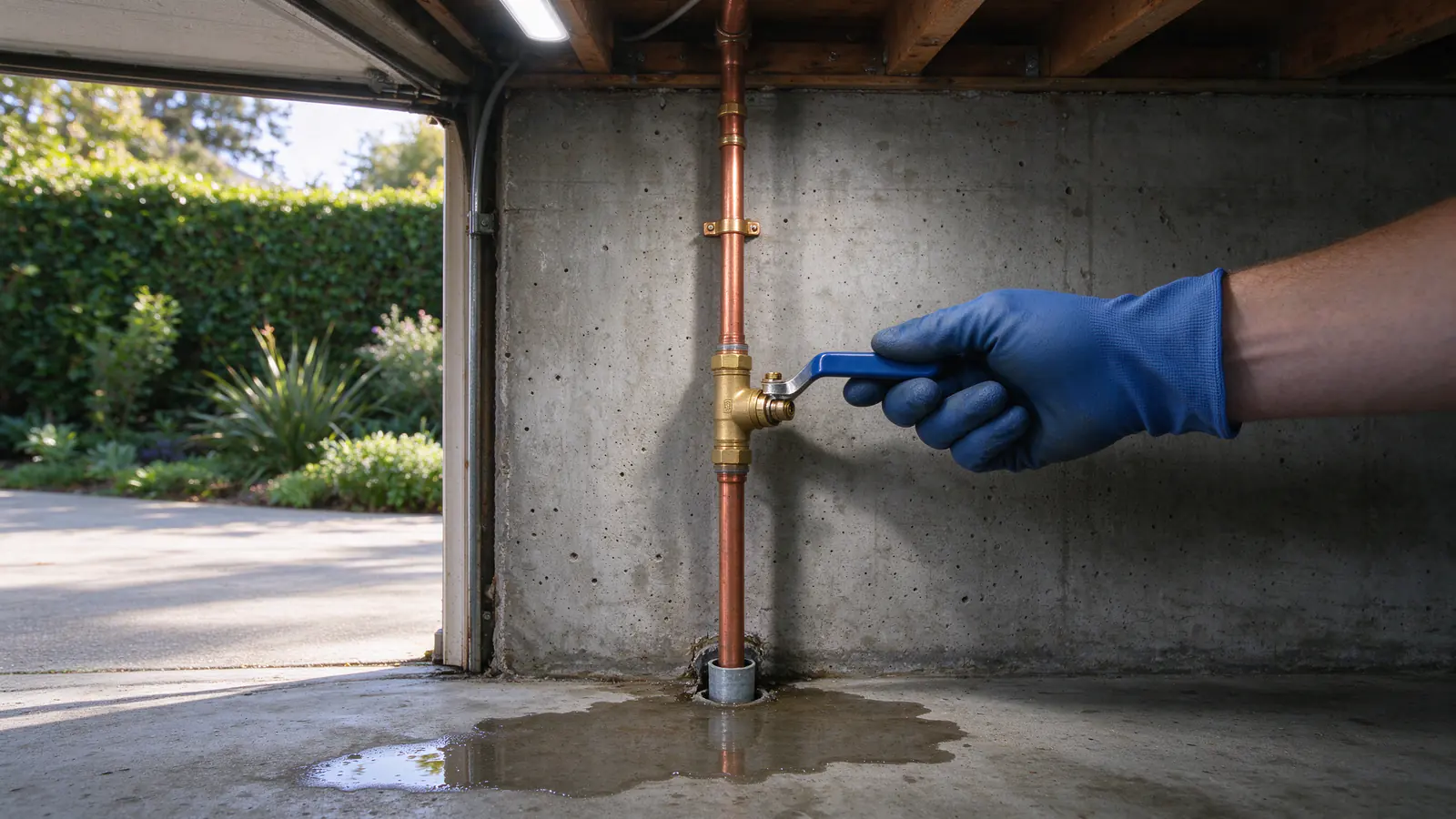
- Close the main valve. It controls everything past it, and in San Francisco it is usually outside the house or just inside, in line with the sidewalk meter. Details are below.
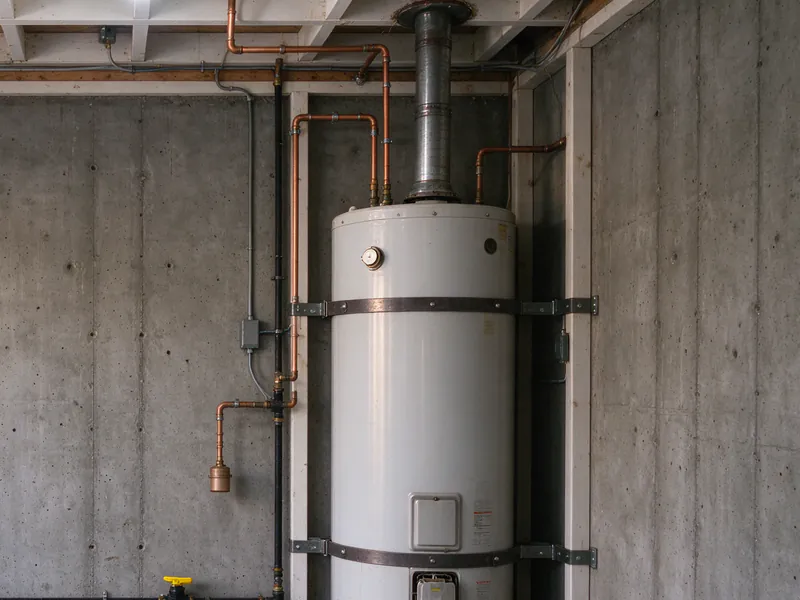
- If the water is coming from the water heater, close the valve on its cold supply. San Francisco code requires one at every heater, so it should be on the pipe going into the top of the tank.
- In a flat or apartment, look for a shutoff for your unit. San Francisco requires them, though many older buildings still lack them. If closing the building’s main is the only option, tell the other units their water is off.
- Keep away from water near outlets, the electrical panel or light fixtures. Switch power off at the panel only if you can reach it standing somewhere dry.
- Open a faucet on the lowest floor to drain what is left in the pipes once the main is closed.
- Take photos of the leak, the damage and anything wet, before cleanup starts.
- Call and say where the water is coming from, what the pipe looks like and whether it has stopped.
If you smell gas at any point, stop. Leave the building and call 9-1-1, then PG&E, before anything else.
Where the main valve usually is in San Francisco
SFPUC says most main shutoffs are on the outside of the house or just inside the property, in line with the sidewalk water meter. The common types are a round gate valve, which closes by turning clockwise until it stops, and a ball valve with a blue handle, which closes with a quarter turn so the handle sits at 90 degrees to the pipe. Some homes have the supply entering through a cylindrical tank in the garage, basement or a closet, with a valve that is sometimes painted red.
An old gate valve that has not been turned in years can be stiff or may not close fully, and forcing it can break the stem. If it will not move, call the utility to shut the water off at the meter. SFPUC offers a courtesy visit to help owners find their valve, which is worth doing before anything goes wrong.
The meter belongs to the utility
The water meter is not a shutoff for owners to use. SFPUC asks customers not to open meters at all; its field staff handle them. Daly City’s water department goes further and warns that turning off the meter yourself can damage the service and leave you liable for the cost. Both utilities will shut water off at the meter in an emergency when the house valve cannot be found or will not close.
Which utility depends on the city. In San Francisco it is SFPUC, through 3-1-1, which takes water, power and sewer emergencies around the clock. Daly City’s water department answers 24 hours a day for shutoffs. South San Francisco is served by Cal Water’s Bayshore District, which has its own after-hours line. Water coming up in the street, or a break between the main and the meter, is theirs to fix. Everything past the meter is the owner’s pipe under SFPUC’s rules, and the same split applies with Cal Water.
Water still running?
Close the main valve if you can reach it, then call. Emergency repair for burst pipes and active leaks is available 24/7.
What the emergency repair covers
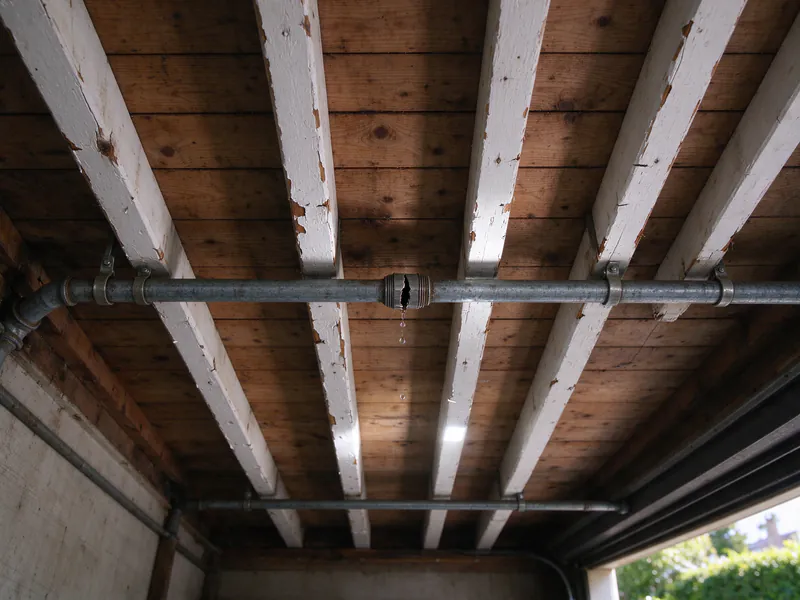
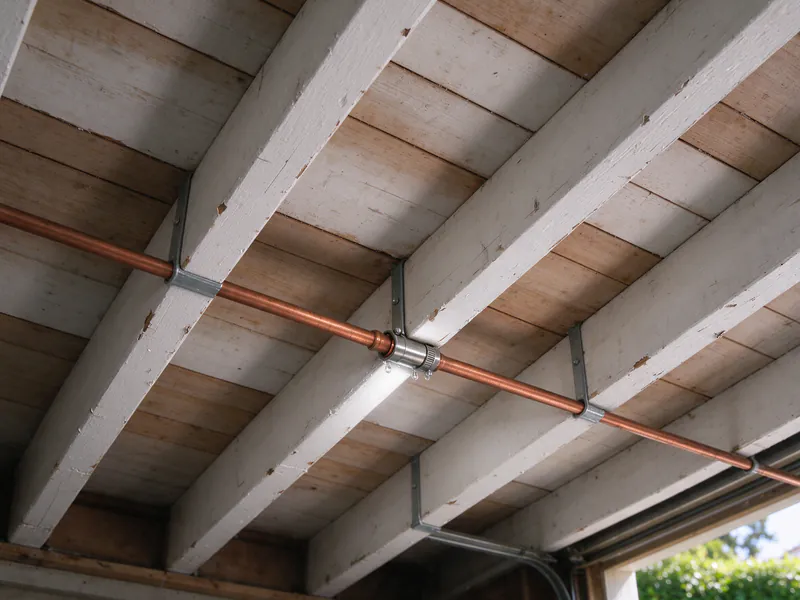
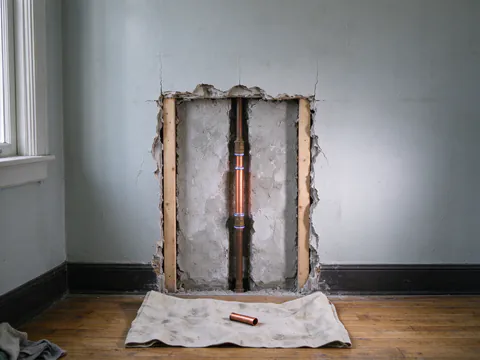
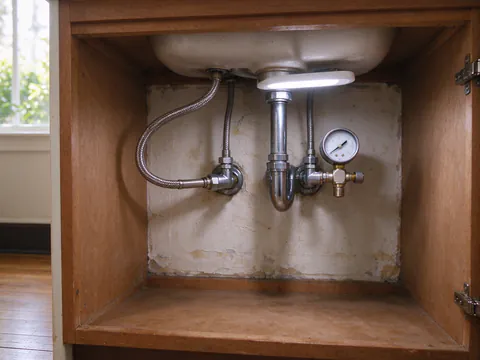
An emergency repair has one goal: stop the leak safely and get water back to as much of the building as possible. Often the failed section can be isolated so the rest of the house or building has water again while the repair is made. The repair itself depends on what failed. A burst supply hose or a failed angle stop is replaced. A split or pinholed length of pipe is cut out and a new piece joined in. A failing water heater is isolated and drained so the rest of the system can be turned back on; replacing it is covered under water heater replacement.
Sometimes the right repair cannot be done safely at night, because the pipe is buried in a slab, sealed in a wall shared with a neighbor, or too corroded to join to. Then the line is capped or bypassed to restore water, and the permanent repair is scheduled. Any repair that cuts out and replaces pipe needs a DBI permit and an inspection before it is covered, so the opening stays open until the inspector has seen the work. DBI can inspect outside regular hours at $555 an hour, with 2- or 4-hour minimums, when an owner asks for it.
Why pipes fail suddenly here
Freezing is almost never the cause in San Francisco. Sudden failures come from pipe that has corroded for decades and finally splits, from threaded galvanized joints, from rubber supply hoses on toilets, sinks and washers, from water heaters, and from pressure. Where static pressure is above 80 psi, the California Plumbing Code requires a regulator, and a burst is a good reason to measure it. A burst in old galvanized or a second pinhole in the same copper run is often the first sign of a wider problem; the repipe vs repair guide helps weigh that once the emergency is over.
After an earthquake, check the water heater first. California requires residential water heaters to be strapped in the upper and lower thirds of the tank, because a heater that tips can break both its water and gas connections. If you smell gas, leave and call 9-1-1 and PG&E. Gas piping and its permits are covered under gas line repiping.
Paperwork after the water is off
The records made in the first hour matter later. Keep the photos, keep the failed piece of pipe or hose, and keep the itemized invoice. Homeowners insurance generally addresses sudden water damage under the policy’s terms, which is a different question from the cost of the pipe itself; the insurance guide explains the difference.
If the leak ran up the water bill, SFPUC’s leak allowance can return part of the excess, ordinarily all of it for a concealed leak and half for a visible one, for no more than two billing periods. Apply within 15 days of the first notice of the high bill, after the repair, with the invoice as proof. In South San Francisco, Cal Water requires customer-side leaks to be repaired within five business days of its notice. The SFPUC leak alert guide and the burst pipe guide cover both steps.
What an emergency call costs
There is no fixed emergency price. Night and weekend work can cost more, and so can a repair that needs a large opening, a slab or a shared wall, or a part that is hard to get after hours. Ask for the price before the repair starts. Whether the job later grows into a partial repipe or a whole-house repipe is a separate, unhurried decision made with a written scope.