A condo repipe can mean two different jobs: replacing the supply pipe inside one unit, from its shutoff to its fixtures, or replacing the shared system for the whole association. Hilltop Repipe San Francisco offers and manages condo and HOA repiping in San Francisco, Daly City and South San Francisco, for individual owners, association boards and tenancy-in-common buildings, with the work carried out by licensed and insured contractors under a permit for each unit.
What separates this from an apartment building repipe is who decides. In an apartment building, one owner signs the scope. In a condominium, the board decides about the pipe the association maintains and each owner decides about the pipe inside their own unit. The line between the two comes from the association’s governing documents, so a good scope draws it before anyone compares prices.
What happens on the first visit
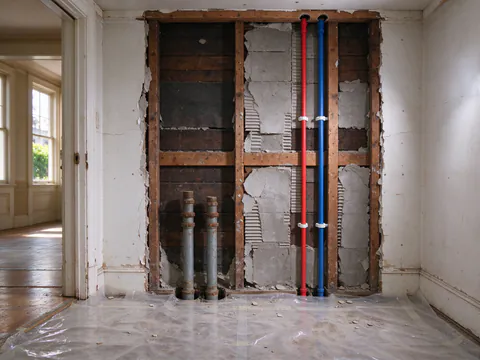
For a single unit, the walk-through starts at the point where the unit’s water leaves the shared riser. It looks for a unit shutoff, measures static pressure and flow there, and maps the branches to the kitchen, each bathroom, the laundry and any wet bar. Wall types are noted at each fixture: plaster, drywall, tile, or cabinetry that has to come out. The water heater is checked, whether the unit has its own or shares one. The owner is asked what the CC&Rs say about work hours, access and approval.
For an association, the visit adds the building: the main, every riser and the units each one feeds, the common areas the work passes through, and the board’s contact for access. The result is a written scope and price that separates association pipe from unit pipe line by line, names the material and the openings in each unit, lists the permits and says who patches what.
Where the unit’s pipe ends and the association’s begins
Plumbing in a condo building has a natural split. The main and the risers serve many units; the branches beyond a unit’s shutoff serve one. Who maintains each part is set by the CC&Rs and the association’s maintenance rules, which differ from building to building. Where a unit has no shutoff of its own, there may be no obvious boundary at all, and the first leak in a wall turns into a question about whose pipe it is.
The scope settles it on paper. It names the exact valve or fitting where the unit’s work begins, lists what stays old on the other side, and keeps the association’s work and the owner’s work as separate lines. That matters for payment, for approvals and for any later claim. A unit repipe also leaves the building’s risers as old as they were, and the scope should say so plainly. The partial repiping page covers jobs that stop at a defined boundary.
Repiping one unit
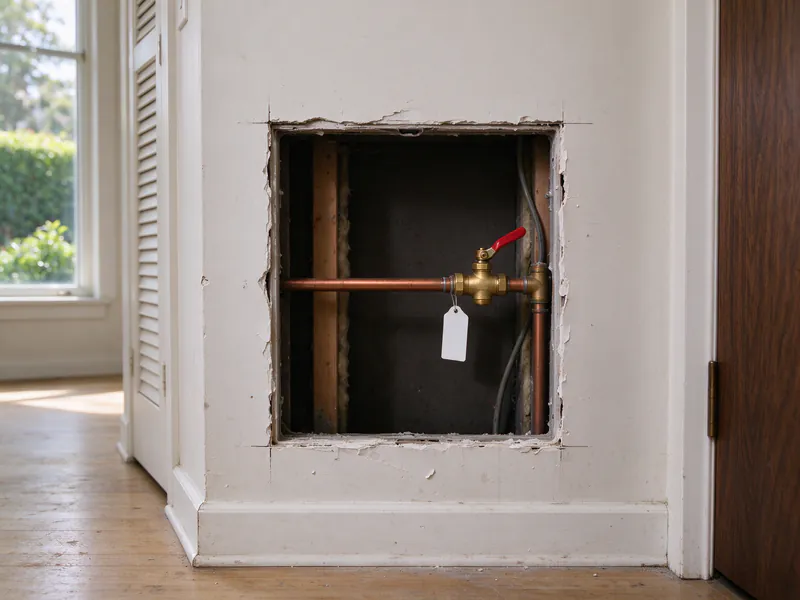
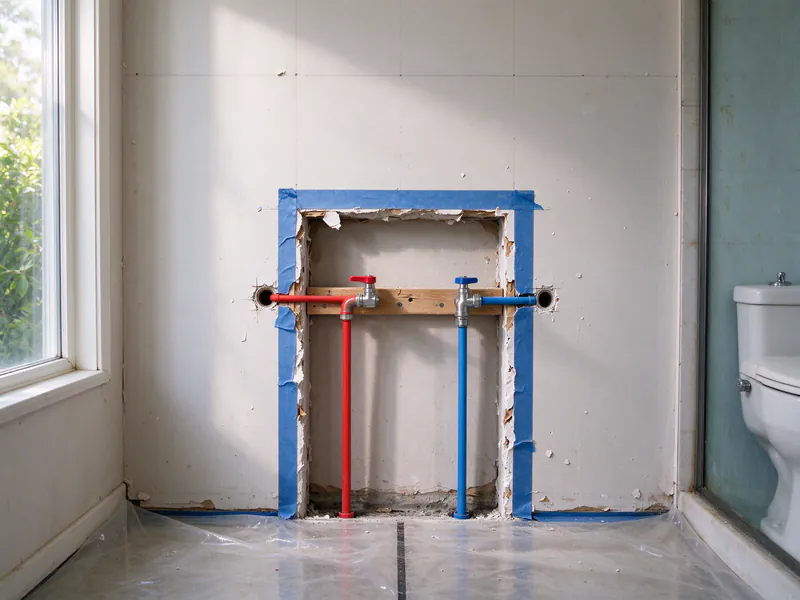
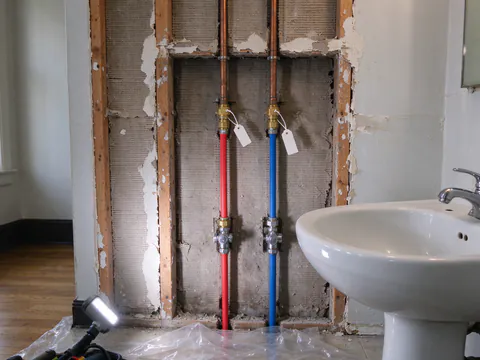
A unit-only repipe replaces every branch from the unit’s shutoff to its fixtures and leaves the riser alone. San Francisco code requires shutoffs for each dwelling unit and a control valve ahead of every fixture, and a unit that is remodeled has to meet those rules, so a valve missing at the riser connection is usually added as part of the job.
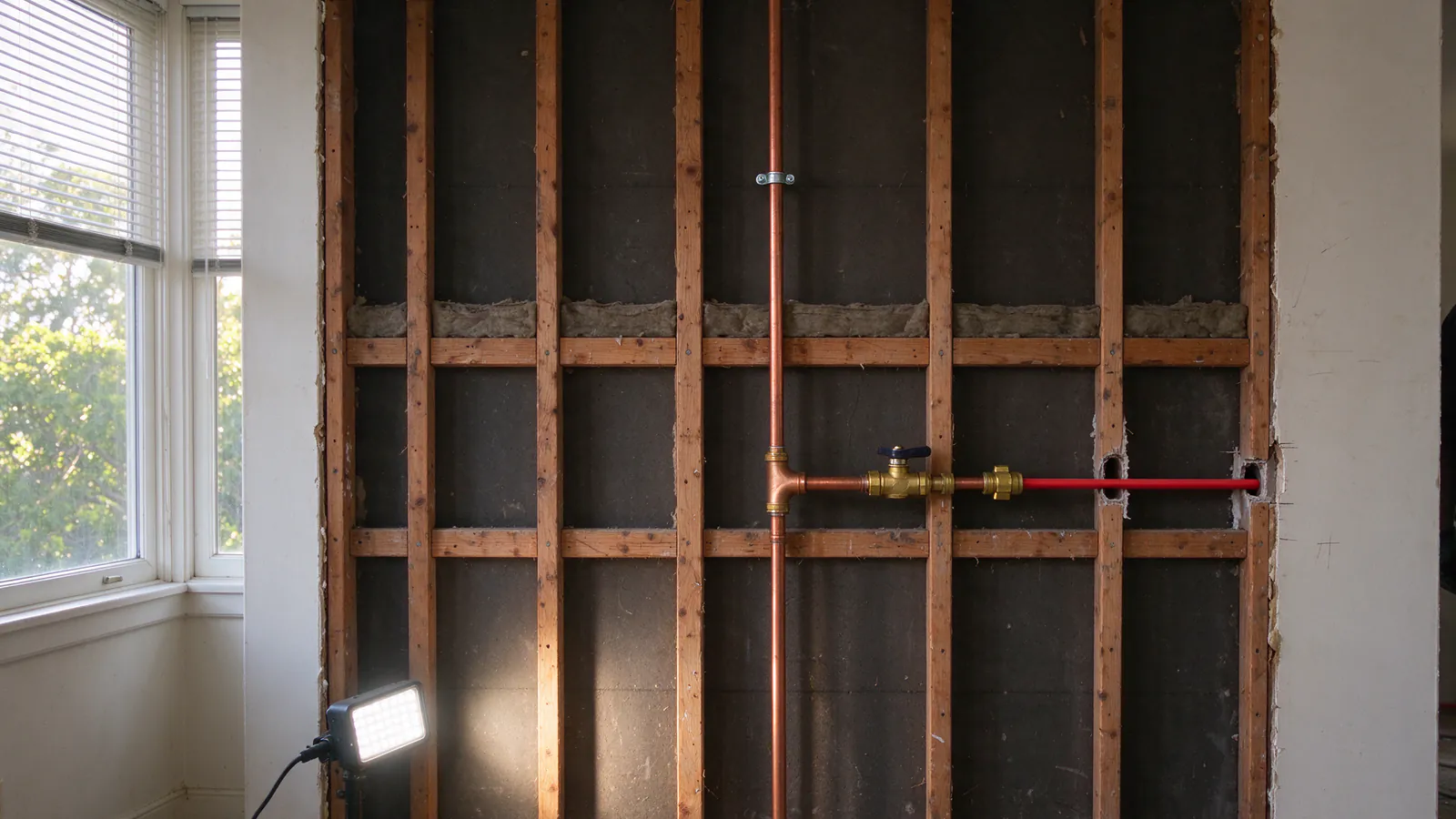
The connection to the riser needs care. Where new copper meets an older galvanized riser, San Francisco requires a dielectric or insulating fitting, or a brass nipple at least 6 inches long, to stop galvanic corrosion at the joint. Where the unit goes to PEX between metal risers, the electrical code allows the unit’s isolated metal piping to be bonded at the unit’s own panel, and the scope flags that for a licensed electrician to confirm.
Expectations need care too. New branches remove any restriction inside the unit, but water still reaches the unit through the riser. If the riser is galvanized and narrowed by rust, the unit’s flow stays limited by it. Measuring pressure and flow at the shutoff before work tells the owner which problem they are paying to fix. The low water pressure guide explains the difference.
DBI requires a separate permit for each condominium unit. A single unit’s repipe is filed as Category 1P at $290 or 2PA at $549, depending on the work, and the category is confirmed for the project. Each re-inspection costs $259 per half hour.
Repiping the whole association
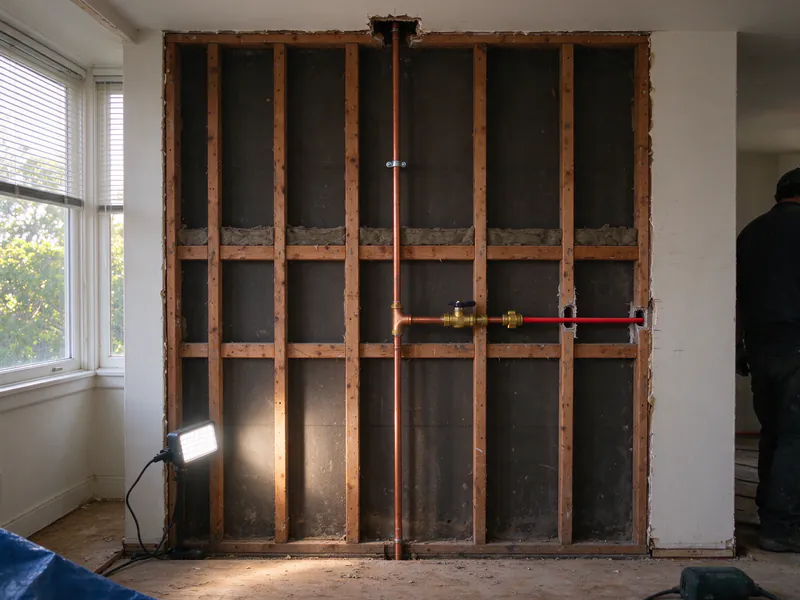
A building-wide repipe is a board decision and usually follows the same steps as any large building project: a scope the board can compare bids against, a schedule each owner can plan around, and a plan for entering every unit. The resources page has a quote comparison checklist that helps keep bids on the same footing. The work itself runs like an apartment repipe: main first, then one riser at a time, with each unit’s branches cut over in a planned window. Buildings of four or more stories need a backflow assembly near the meter, and shared water heaters need valves so each unit’s hot water can be isolated.
Owners often want work inside their own unit while the walls are open, such as moving a fixture or adding a valve. The scope keeps those items in the owner’s column so the association’s cost stays clean. Permits follow the per-unit rule, so a building of eight units involves eight unit permits along with any common-area scope.
Routing deserves the board’s attention before approval. Homeowners report an association repipe of a four-unit building that moved the lines from under a slab into the attic, opened nine walls in one unit, and left cold taps running warm in summer afterward because the new pipe crossed a hot space. A board can ask for the route and the openings in each unit before it votes, and for how lines passing through hot or exposed spaces will be insulated or kept out of them.
Is the board comparing bids?
Ask for the route, the openings in each unit and the permit list in writing. Then the numbers can be compared.
Tenancy-in-common buildings
In a tenancy-in-common building the owners share title to the whole property, and their TIC agreement plays the role CC&Rs play in a condominium. Repipe decisions, cost sharing and access follow that agreement. The permit rule does not change: DBI’s fee table requires a separate permit for each condominium unit or existing apartment unit, so a TIC building’s repipe is filed unit by unit. Where one of the units is rented out, the apartment building repiping page covers the Rent Board rules that apply to occupied rental units.
Lead, asbestos and shared hallways
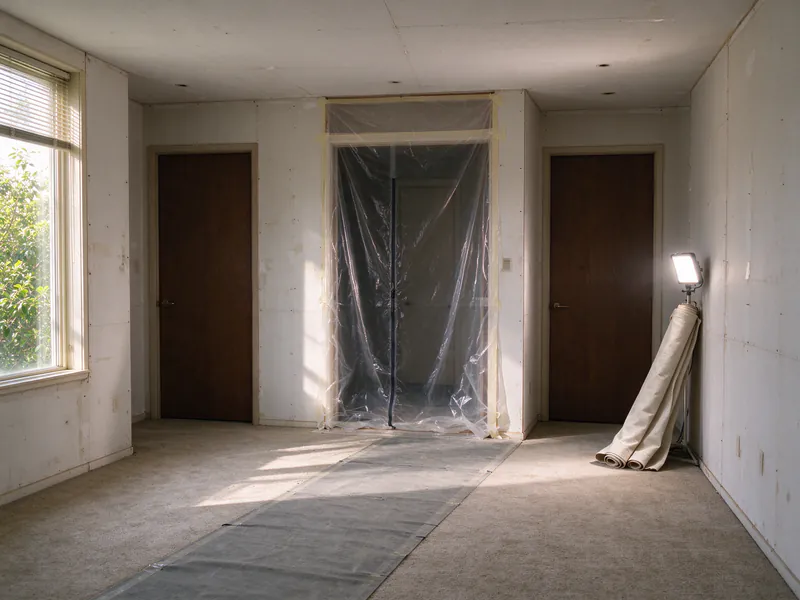
Paint in a building built before 1979 is presumed to contain lead. Section 327 of the San Francisco Existing Building Code exempts interior work in an owner-occupied unit from its interior requirements, but debris still must not migrate to common areas or outside. A rented unit, a hallway or a stairwell gets the full treatment: plastic containment, a posted sign, three business days’ notice to occupants and HEPA cleanup. In a building of four or fewer units, opening textured or skim-coated walls can require asbestos sampling under Air District rules before work starts. The guide to how invasive repiping is shows what the openings look like.
Insurance and paying for it
Two policies may be involved: the association’s master policy and the unit owner’s own. Insurance generally addresses sudden water damage under the terms of the policy rather than planned pipe replacement, so check both before counting on either. The insurance guide explains the difference. How an association funds a building repipe is the board’s decision under its documents.
The price itself comes from the unit or the building: unit size and bathroom count, whether the riser connection is reachable, the finishes opened, association rules on work hours and common-area protection, lead-safe setup and the per-unit permits. No published local price range for a condo unit holds up, so each one is priced from the walk-through. The repipe cost guide covers the drivers, and the repipe vs repair guide helps decide whether one recurring leak justifies a unit repipe.
Condos in Daly City and South San Francisco
Outside San Francisco, the city’s own plumbing amendments, including the per-unit shutoff rule, do not apply. South San Francisco enforces the 2025 California codes and prices plumbing permits per trade by job valuation; Daly City’s Building Division lists a “Water Pipe Replacement” permit type and charges $101 to issue a plumbing permit plus $56.50 per water piping item. Requirements for a specific condo building are confirmed with the city that issues the permit. The Daly City and South San Francisco pages cover each city.