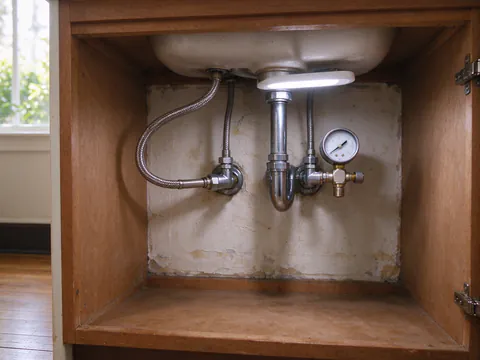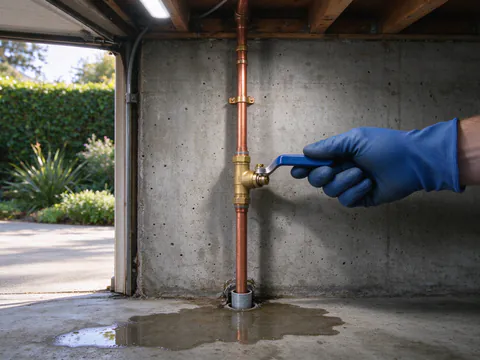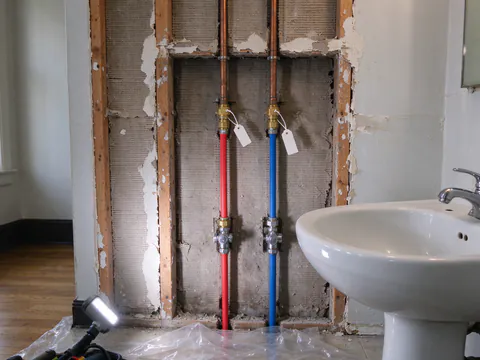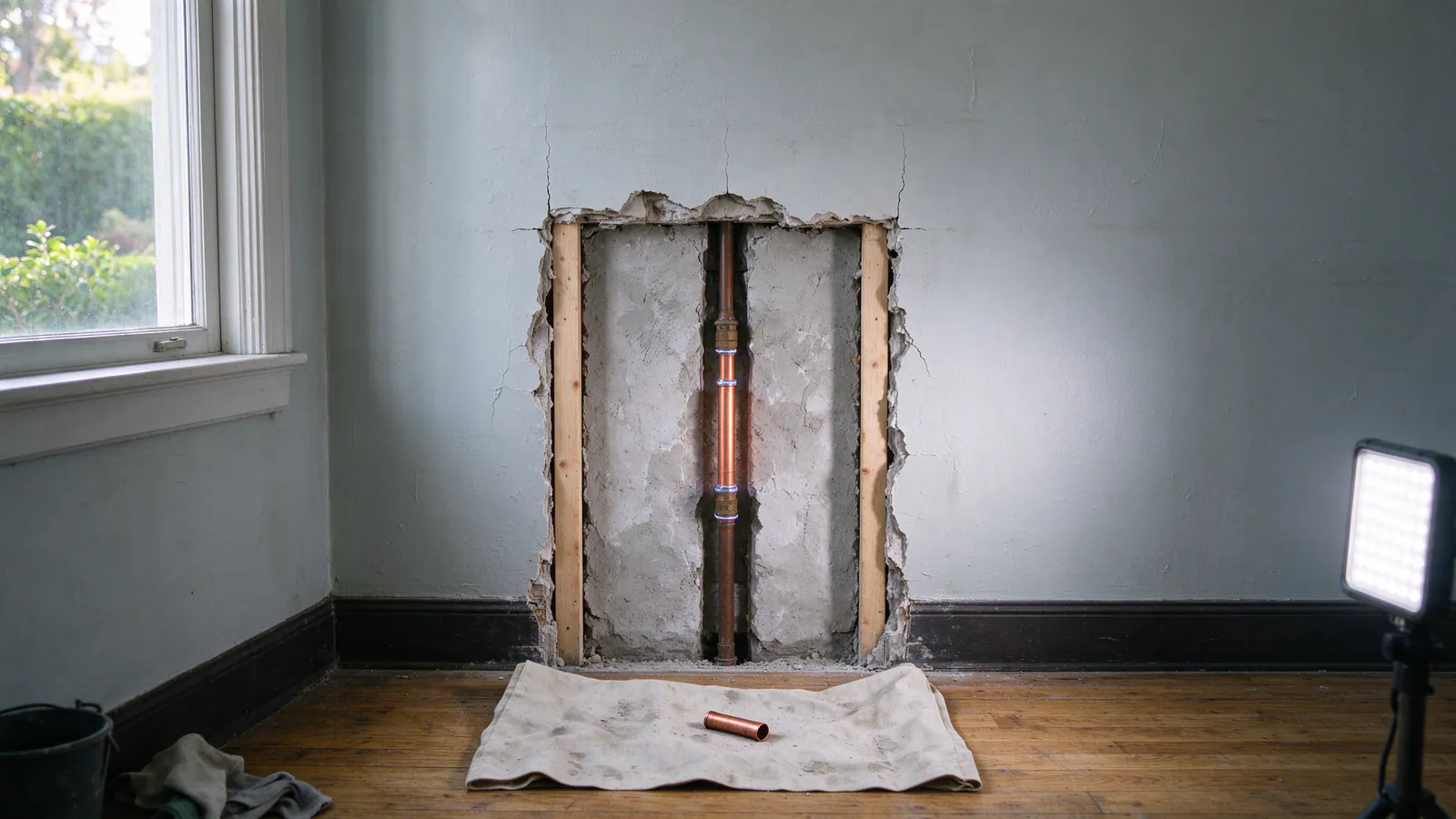
Pipe repair fixes one failing part of a water supply system without replacing the rest: a pinhole in a copper line, a weeping threaded joint in galvanized steel, a split fitting, a burst supply hose or a leak behind a wall. Hilltop Repipe San Francisco offers and manages pipe repair across San Francisco, Daly City and South San Francisco, covering water leak repair, burst pipe repair and copper pipe repair, with the work carried out by licensed and insured contractors. Burst pipes and active leaks are handled around the clock through emergency pipe repair.
A repair is the right answer when the failure is local and the pipe around it is sound. The work below covers how that is judged, what San Francisco’s code says about permits for repairs, and the point at which repairing the same system again stops making sense.
What happens on the first visit
The first question is where the water is actually coming from. A stain on a ceiling can sit several feet from the leak above it, and water can travel along a joist before it drips. The leak is traced to its source and confirmed as supply pipe, which is under pressure all the time, rather than a drain, which only leaks when something is draining. Drain and sewer pipe are separate work, as the guide to whether repiping includes drain pipes explains. When the leak cannot be seen or reached, water leak detection comes first.
Once the leak is found, the pipe on both sides of it is checked: the material, the joints, signs of corrosion or earlier patches. Static pressure is measured when the failure is a burst or a repeat leak, because high pressure can cause both. The finish covering the pipe is noted, since plaster, tile and drywall each change the opening. Then the repair is chosen and the permit question is answered before anyone cuts.
Repairs that need a permit and repairs that don’t
San Francisco’s plumbing code exempts a short list of work from permits, and the line it draws is cutting. A leak that can be repaired without cutting into or removing piping needs no permit, and neither does replacing a faucet, angle stop or hose bibb when no pipe is cut. Once a section of pipe is cut out and replaced, DBI requires a permit and an inspection before the pipe is covered by a wall or buried.
That rule shapes the job. A cut-out-and-splice repair behind a wall is done, pressure tested, and then left open until the inspector has seen it. In city permit records describing leak, burst or pipe repair work, the most common stated category is 1P, the single-unit permit at $290; repairs that include underground work are often filed as 2PB at $809. Since September 14, 2026, these permits are filed on PermitSF by the licensed contractor.
The suburbs draw the line in their own words. South San Francisco exempts stopping leaks, but when concealed pipe has become defective and is removed and replaced, its Building Division treats that as new work that needs a permit and inspection. Daly City lists a “Water Pipe Replacement” permit type and charges $101 to issue a plumbing permit plus $56.50 for each water piping item.
Copper pipe repair
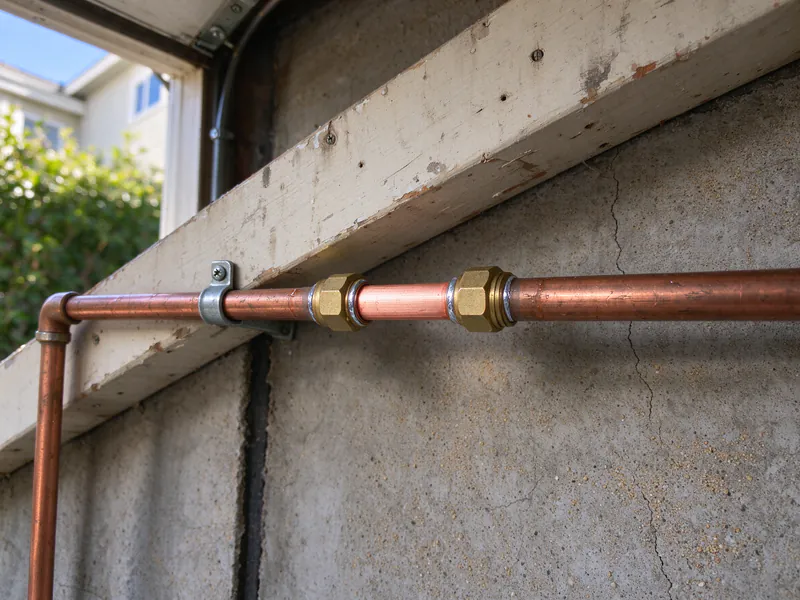
Copper usually fails as a pinhole or at a joint. A pinhole repair cuts out the damaged piece and joins in new tube with soldered or press fittings; a listed repair clamp can serve where cutting is impractical. A joint that weeps is cut out and remade. Either way, the repaired section is tested before it is closed in.
There is no single cause of copper pinholes. Water chemistry, flow velocity, workmanship and the age of the pipe all play a part. San Francisco’s water is soft, with average hardness of 62 ppm, and the utility adjusts its pH to about 9.3 for corrosion control, so a pinhole here is not proof of a water problem, and one leak does not prove the whole system is failing. A string of pinholes along the same run is different: that run is thinning, and replacing it, or moving to a copper repiping or partial repiping scope, usually beats repeated repairs. The copper pinhole leaks guide goes deeper.
Galvanized pipe repair
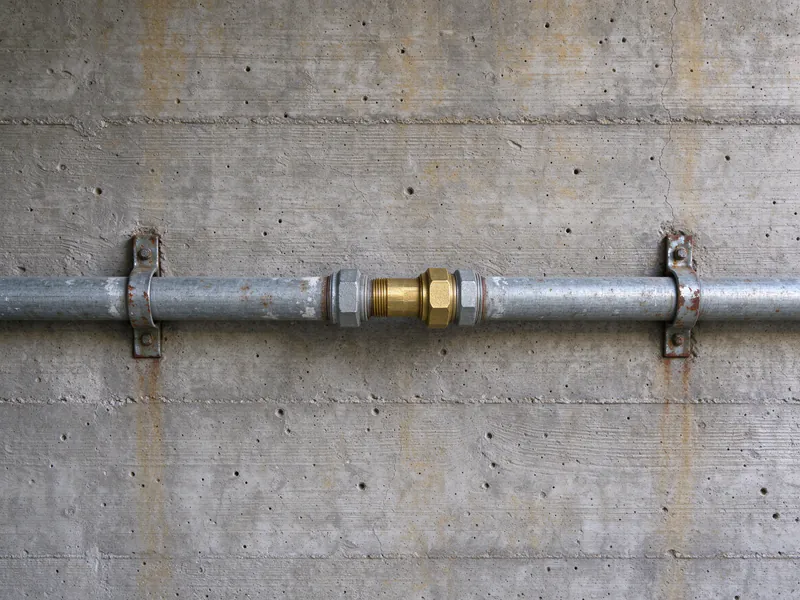
Galvanized steel fails from the inside. Its zinc coating wears through, the steel corrodes, and rust builds up until the pipe is narrow and thin, most often at threaded joints where the wall was already cut thinner by the threads. A leak at one joint can be repaired by replacing the nipple or fitting. Two cautions come with it. Turning old threaded pipe to make the repair can stress the joint next to it, and cutting into galvanized pipe can loosen rust that then travels to aerators and valve cartridges downstream.
When the repair joins new copper to remaining steel, San Francisco requires a dielectric or insulating fitting, or a brass nipple at least 6 inches long, so the two metals do not corrode each other at the joint. A galvanized system that leaks at one joint while showing low flow and rusty water elsewhere is telling a larger story, which the galvanized pipe replacement page covers.
Found a leak?
Describe where the water shows and what the pipe looks like. Whether it is a spot repair or a section comes back in writing.
Burst pipes in a city that doesn’t freeze
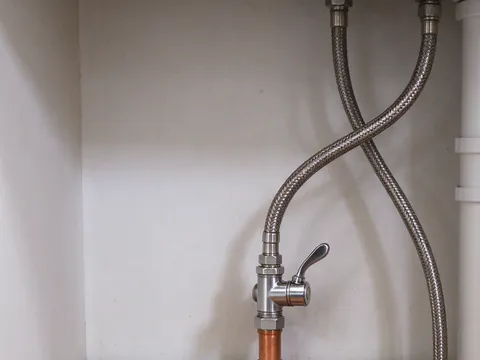
Freezing is not what bursts pipes in San Francisco. NOAA’s normals for downtown record no nights at or below 32 F in an average year, and only a tenth of a night in December at the airport. Bursts here come from corroded pipe that finally gives way, failed joints and fittings, worn washer and toilet supply hoses, water heaters, and pressure.
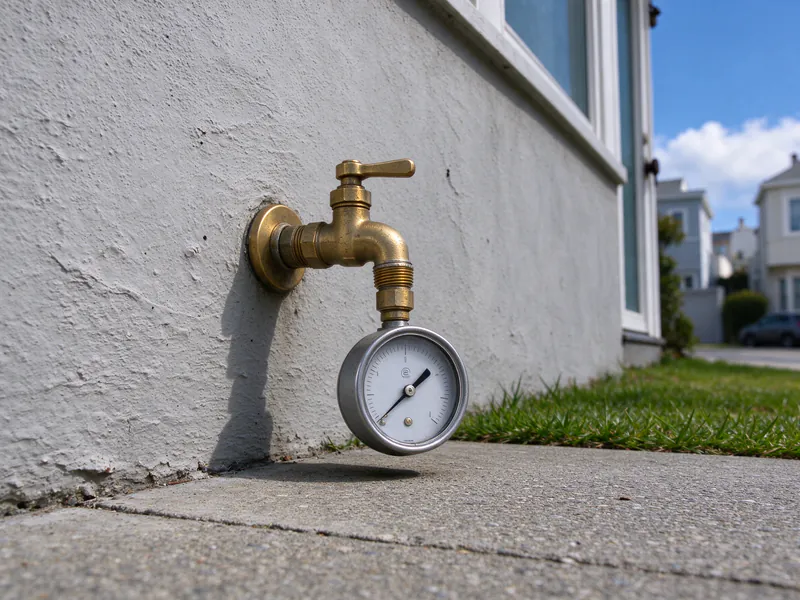
Pressure is worth measuring after any burst. San Francisco is served through about 13 pressure zones fed from reservoirs and tanks at different elevations, so the number at one address says little about the next. Where static pressure is above 80 psi, the California Plumbing Code requires a pressure regulator with a strainer and an expansion tank downstream, and a burst repaired without addressing high pressure can be followed by another. Water hammer, the bang when a valve snaps shut, is the other stress: San Francisco requires air chambers at quick-closing valves such as single-handle faucets and shower valves. The burst pipe guide covers the first minutes after a burst.
Repair or repipe
One leak in otherwise sound pipe is a repair. The case for replacing more builds when leaks repeat in the same material, when low flow and rust show at several fixtures, when the pipe near the repair is visibly corroded, or when the house is about to be opened for a remodel anyway. A partial repipe replaces a defined area and leaves the rest; a whole-house repipe replaces everything from the main valve out. The repipe vs repair guide works through the decision, and the assessment tool scores a specific house.
The water bill, the utility and the insurer
Under SFPUC’s rules the customer controls the water beyond the meter, and repairs on that side are the owner’s. If a leak ran up the bill, SFPUC’s leak allowance can return part of the excess, but only after the repair is made, with proof such as a plumber’s invoice, and the application is due within 15 days of the first notice of the high bill. South San Francisco is served by Cal Water, which requires leaks on the customer’s side to be repaired within five business days of its notice.
Homeowners insurance generally addresses sudden water damage under the terms of the policy rather than the cost of replacing worn pipe. Photographs, the failed piece of pipe and an itemized invoice help either way. The insurance guide explains the difference.
What drives the price
No published local range for a single pipe repair holds up, because the repair itself is often the smaller part of the job. The drivers are access, whether the pipe is exposed or behind plaster, tile or a ceiling, the material, whether a section is cut out and so needs a permit and inspection, lead-safe setup when a pre-1979 wall is opened, after-hours timing and who closes the opening. The price is given once the leak has been found and the repair chosen.