Water leak detection finds where a supply pipe is losing water before anyone opens a wall, a ceiling or a floor. Hilltop Repipe San Francisco offers and manages water leak detection across San Francisco, Daly City and South San Francisco, with the leak located and the repair carried out by licensed and insured contractors. The usual triggers here are an SFPUC leak alert, a bill that jumped for no reason, a stain that keeps growing or the sound of water when everything is off.
The point of finding the leak first is simple: the right opening is one small hole, while guessing produces several. A located leak is also the paperwork SFPUC wants before it credits a bill. Once it is found, the repair is handled under pipe repair, and a burst or active flood goes straight to emergency pipe repair.
What happens on the first visit
Detection starts with whether there is a leak at all and how big it is. Where the owner can share SFPUC’s hourly usage, the pattern says a lot: water that never drops to zero overnight, a steady flow that started on a certain day, or a spike that matches a fixture. Toilets, faucets, the water heater’s relief valve and irrigation are checked first, because they are the easiest to rule out and a running toilet is a leak too.
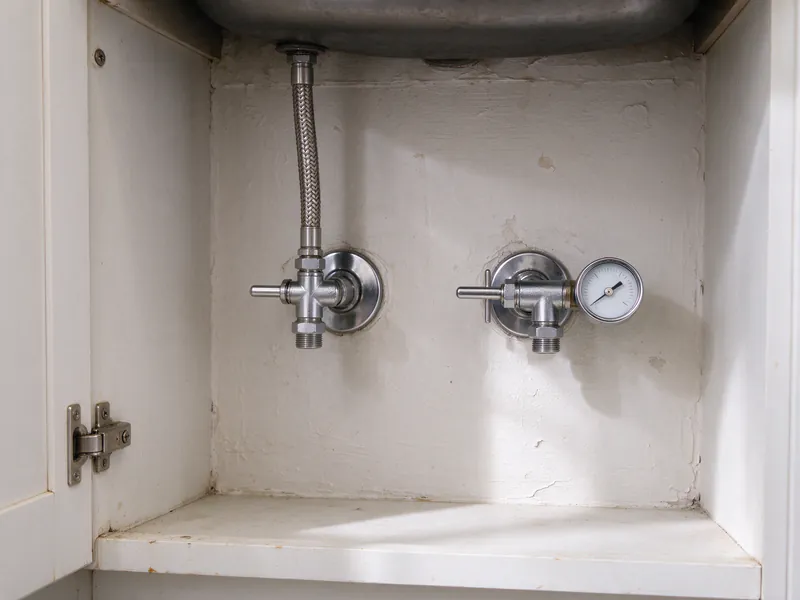
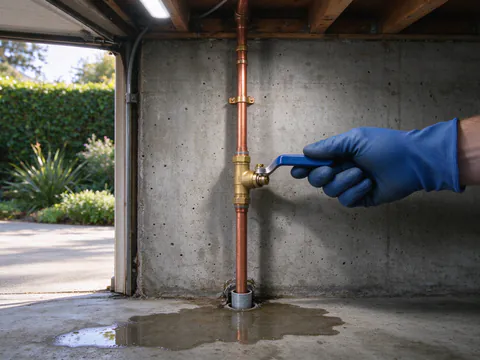
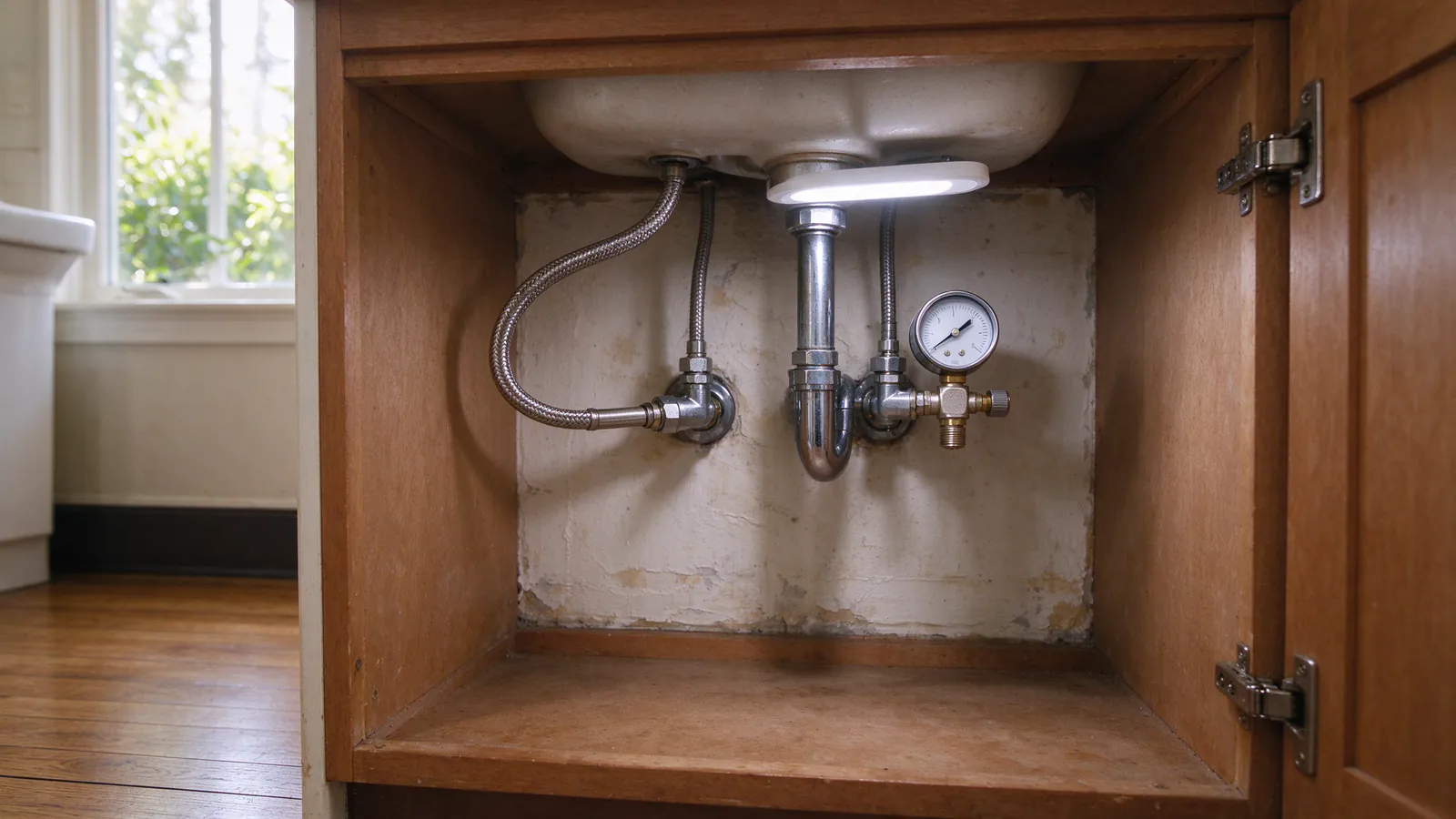
Then the building is split by its own valves. Closing the fixture stops shows whether the loss is in a fixture or in the pipe. Separating hot from cold tells whether the water heater is feeding the leak. In a building with unit shutoffs, closing them one at a time narrows the leak to a unit; without them, isolation goes riser by riser. An isolated section is then pressure tested: it is capped or closed off, brought up to pressure and watched on a gauge. A section that holds is cleared, and the search moves on.
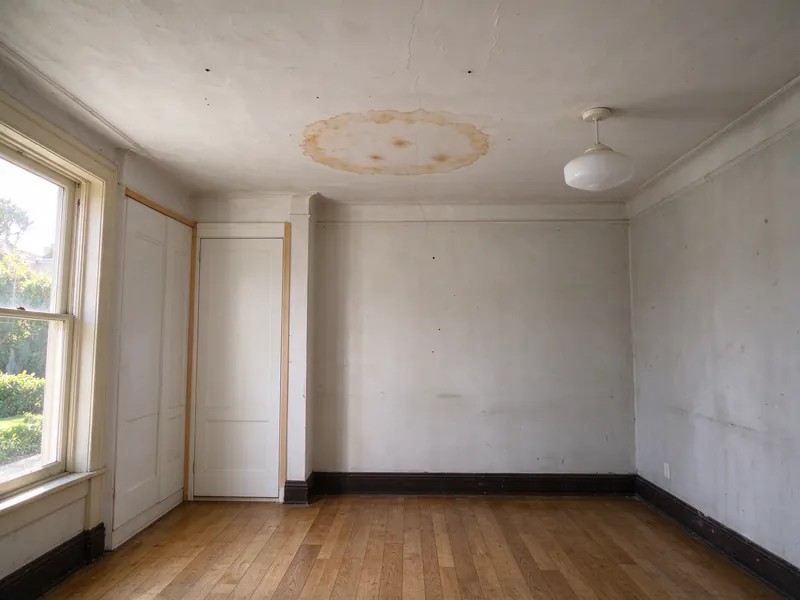
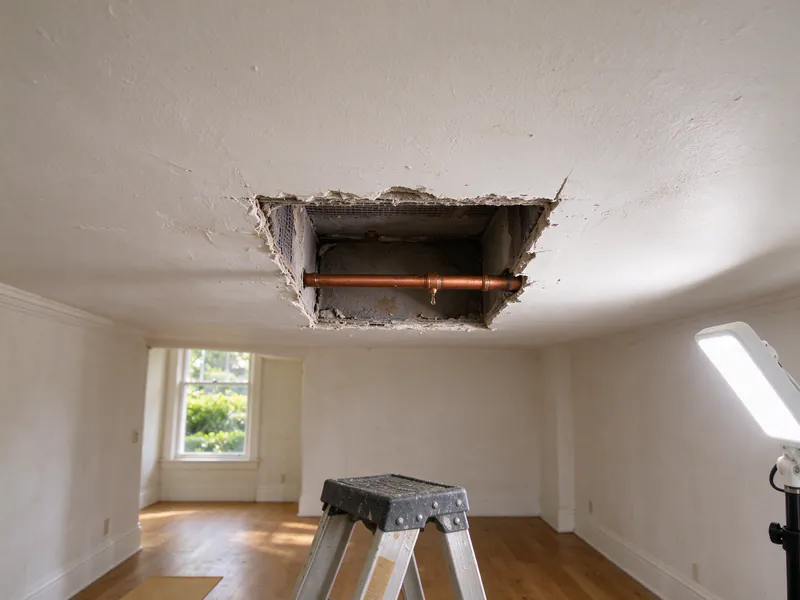
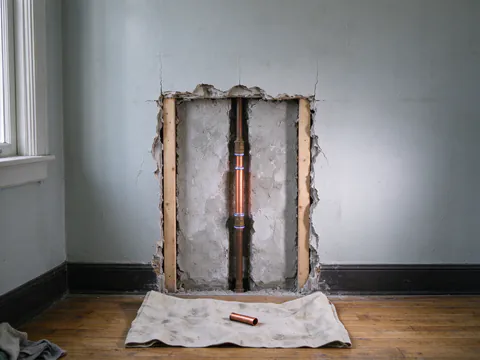
Inside the section that drops, the leak is located with whatever suits the pipe and the finish: listening for it, reading surface temperatures on a hot line, checking moisture in plaster and floors, and following the pipe’s route. Which methods are used depends on the building. The finding comes with a planned opening before anything is cut.
How SFPUC’s leak alert works
SFPUC reads more than 170,000 meters every hour and uses that data to warn customers about possible leaks. For houses, small buildings of two to five units and irrigation accounts, an alert goes out after 48 hours of continuous use of at least 1 cubic foot, 7.5 gallons, per hour; buildings of four or five units also need use 50% above their 90-day average. For commercial accounts and buildings of six or more units, SFPUC looks at the hours between 1 and 4 a.m. and flags use at two or four times the 90-day average.
Alerts take an extra day to generate and come by email, text, call or letter, to the account holder, the owner and the occupant, in up to three rounds over 10 weeks. SFPUC also offers a free Water-Wise Evaluation and a courtesy site visit, and asks customers not to open the meter themselves. When the free check does not find the leak, or the leak is clearly inside a wall, under a floor or underground, that is the point to bring in leak detection. The SFPUC leak alert guide walks through an alert step by step.
What a slow leak costs
A leak at SFPUC’s alert threshold, 7.5 gallons an hour, loses 180 gallons a day. SFPUC says most San Francisco residents use about 40 gallons a day at home, so a threshold leak wastes more than four people’s daily use. Over a 30-day month it comes to 5,400 gallons.
At SFPUC’s published single-family rates, water above the first tier and the matching wastewater charge together cost about $32.22 per hundred cubic feet, so that leak adds about $233 to a monthly bill. Rates change every fiscal year, and the next published step raises the same leak to about $253 a month. Fixing it quickly also matters for the credit, because SFPUC’s allowance covers no more than two billing periods.
Got a leak alert?
Send what SFPUC said and when the use started. Isolation starts from the valves your building already has.
Visible or concealed: why it matters for the bill
SFPUC’s leak allowance is open to single-family, multifamily and non-residential accounts. It ordinarily returns 50% of the excess water for a visible leak, such as a toilet or a fixture, and 100% for a concealed leak, such as pipe behind a wall or underground, for no more than two billing periods including the claim period. The application is due within 15 days of the first notice of the high bill. The credit is granted only after the repair, with proof such as a plumber’s invoice or a materials receipt, or after an SFPUC inspection. A review can take up to four months, and the cost of the repair is not reimbursed.
That makes the invoice worth keeping. An invoice that says where the leak was, that it was inside the wall or under the ground, and what was repaired is the evidence the concealed-leak rate depends on. Outside San Francisco, SFPUC allows only concealed-leak allowances, and only in exceptional conditions.
Daly City and South San Francisco are served by other utilities, so SFPUC’s allowance does not apply there. Daly City runs its own water department, and South San Francisco is served by Cal Water, which requires customer-side leaks to be repaired within five business days of its notice. Ask the utility how it handles a high bill after a leak. The Daly City and South San Francisco pages cover both cities.
Leaks in flats and apartment buildings
Unit shutoffs are what make a leak in a multi-unit building quick to find. San Francisco code requires shutoff valves in each dwelling unit, but many older buildings were never given them. Without them, isolating a leak means shutting a whole riser, and every unit on it, while the search goes on. A leak found that way is often the moment owners decide to add unit valves, or to plan a riser replacement under apartment building repiping. In a condominium, whose pipe the leak is in decides who pays, which the condo and HOA repiping page explains.
Leaks underground and under slabs
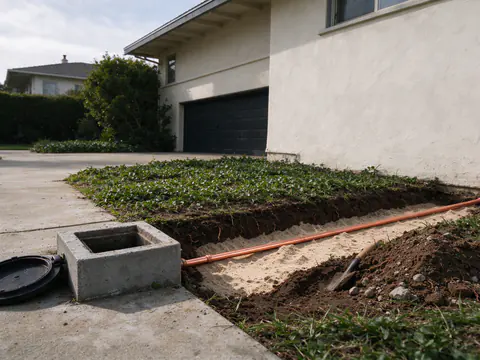
The line from the meter box to the building is the owner’s, and a leak there can run for weeks without showing indoors. Hourly use that continues with the building’s main valve closed points to that line. SFPUC asks customers not to open the meter box, and in Daly City the city’s water department warns that turning the meter off yourself can damage the service and leave you liable for the repair. A failing service line, especially one of old galvanized steel, is often replaced rather than patched; the water service line replacement page covers that work. A leak in pipe running in or under a concrete garage floor is usually rerouted overhead rather than broken out, which the partial repiping page covers.
After the leak is found
One leak in sound pipe is a repair. Several leaks in the same material, or a leak with low flow and rusty water elsewhere in the building, make a broader case, and the repipe vs repair guide works through it. The opening needed for the repair follows San Francisco’s rules: once pipe is cut out and replaced, a permit and an inspection come before the wall closes, and in a building built before 1979 the opening is made with lead-safe containment. The copper pinhole leaks guide explains why copper leaks often come in groups.
What decides the price
There is no published local price for a leak search that holds up, so it is priced from the building and the symptoms. The drivers are the size of the building and the number of units, whether units have their own shutoffs, whether the leak is on the hot or cold side, whether it is in a wall, a slab or underground, the finishes over the pipe, and whether the search happens after hours. The repair is a separate line once the leak is found.