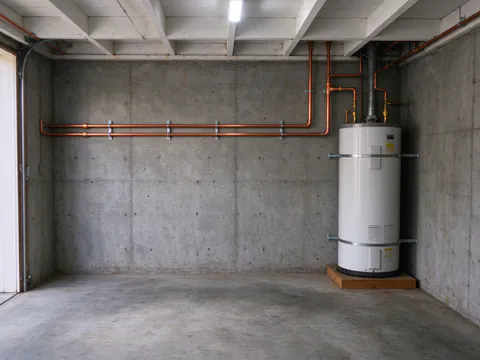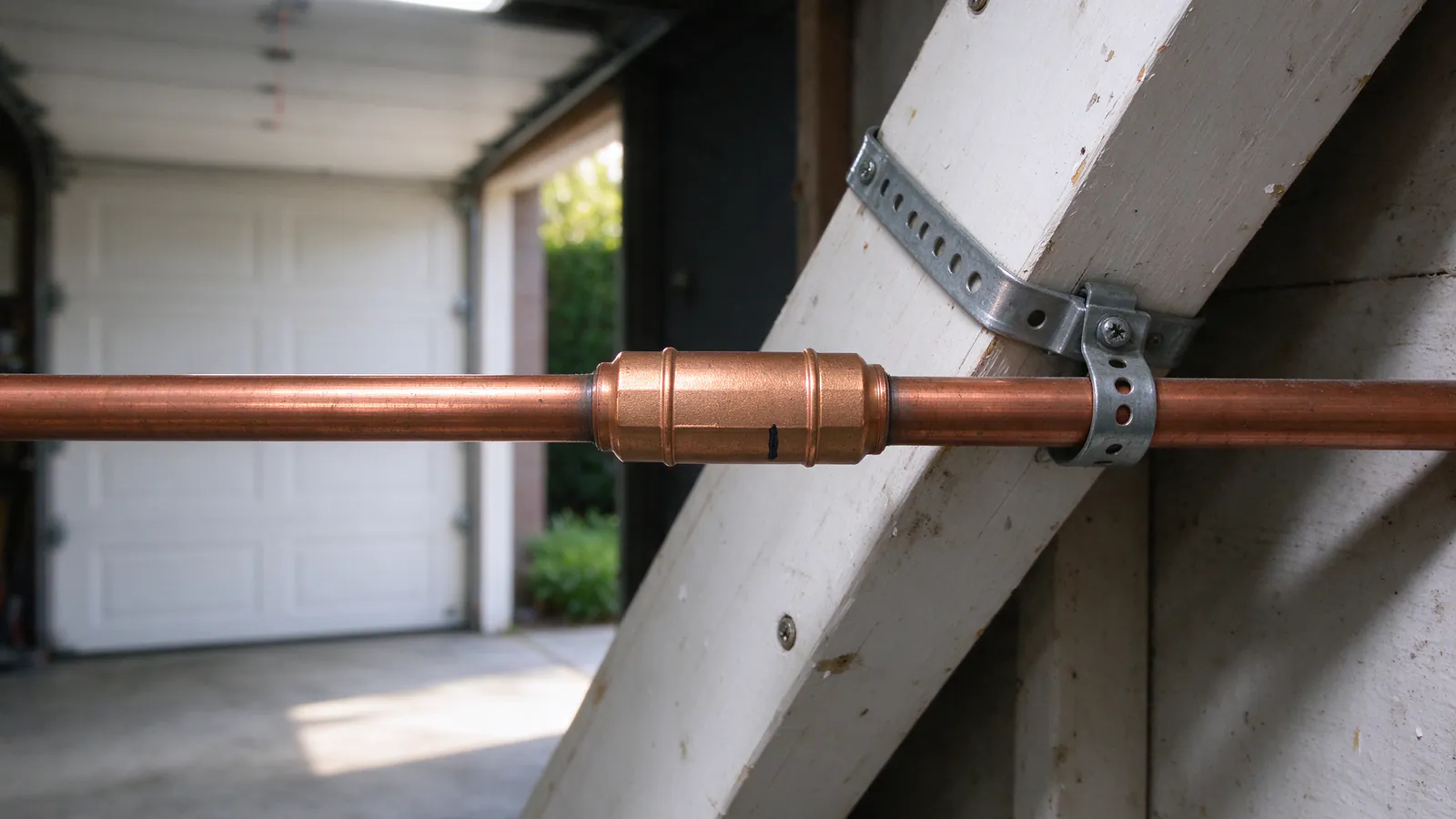
Soft. SFPUC reports average hardness of 62 ppm in the water it delivers to San Francisco, with a range of 8.1 to 112 ppm, a pH adjusted to about 9.3 for corrosion control, and chloramine as the disinfectant. For pipes, that means mineral scale is rarely the problem here; corrosion of the metal is. Hilltop Repipe San Francisco offers and manages repiping in copper and PEX across San Francisco, Daly City and South San Francisco, with the work carried out by licensed and insured contractors, and material choices start from this chemistry.
What is in the water SFPUC delivers
SFPUC publishes its water quality data every year. The figures that matter for pipe are the ones that govern scale and corrosion.
| Measure | Range | Average | What it means for pipe |
|---|---|---|---|
| Hardness (as calcium carbonate) | 8.1 to 112 ppm | 62 ppm | Soft; little mineral scale forms inside pipe or water heaters |
| Alkalinity | 8 to 131 ppm | 64 ppm | Low buffering, one reason the pH is adjusted |
| Calcium | 3.1 to 29 ppm | 16 ppm | Little calcium available to deposit as scale |
| pH | 9 to 9.7 | 9.3 | Raised for corrosion control; slows metal leaching into the water |
| Total dissolved solids | 24 to 197 ppm | 95 ppm | Low mineral content overall |
| Chloramine residual | under 0.1 to 3.6 ppm | Highest running annual average 2.6 ppm | The disinfectant; below the 4.0 ppm regulatory maximum |
These are system figures. Water at a particular tap varies with the season, the source blend and the building’s own plumbing.
Where it comes from
Hetch Hetchy Reservoir supplies up to 85% of the water SFPUC delivers each year. That supply is exempt from filtration and is treated with ultraviolet light and chlorine, adjusted in pH for corrosion control, fluoridated and chloraminated. Other sources make up the rest. In 2025, for example, about 0.42% was groundwater from a deep aquifer under northern San Mateo County and western San Francisco, blended into the supply.
The supply is low in dissolved minerals, averaging 95 ppm in total, which is why the water is soft. It is also why SFPUC raises the pH. Soft, lightly buffered water at a low pH would be more aggressive toward metal pipe, so the utility adjusts it upward to slow corrosion in the city’s mains and in household plumbing.
What San Francisco water does inside pipes
Hard water deposits calcium and magnesium as scale, which narrows pipes and coats water heater tanks. San Francisco’s water does little of that. What it doesn’t stop is the metal itself corroding over decades.
Galvanized steel
Galvanized pipe is steel coated in zinc. In San Francisco, the zinc wears away first, then the steel underneath rusts from the inside. The rust builds up on the pipe wall until a 3/4-inch line carries the water of a much smaller one, and the threaded joints, where the wall was cut thinner, start to leak. In hard-water cities scale adds to that buildup; here it is mostly the pipe’s own corrosion. That is why galvanized pipe can look fine on the outside while the inside is nearly closed, and why rusty water often shows after the water has been off or sitting. The galvanized pipe replacement page covers the fix, and the rusty water guide covers other sources of discoloration.
The utility’s pH adjustment slows metal from leaching into the water, but it cannot undo decades of rust already inside old steel.
Copper
Copper does not rust, but it can develop pinholes and leaking joints, and there is no single cause. Water chemistry, flow velocity, sediment, workmanship at the joints and electrical conditions can all contribute, so soft water alone does not explain a pinhole. One leak does not prove the system is failing; several on the same run are a stronger sign. The copper pinhole leaks guide goes through the causes.
Where copper meets steel
When copper is joined directly to steel, the two metals form a galvanic couple and the steel corrodes faster at the joint. San Francisco’s code requires a dielectric or insulating fitting, or a brass nipple at least 6 inches long, at every copper-to-steel connection. That matters most in a partial repipe, where new copper meets old steel that stays.
Chloramine and pipe materials
SFPUC uses chloramine, a combination of chlorine and ammonia, as the disinfectant that stays in the water all the way to the tap. Every material in contact with drinking water is exposed to it continuously.
For PEX, the relevant number is the tubing’s chlorine resistance rating, which PEX makers publish for continuous hot and cold use. A repipe scope should name a product and fitting system rated for the conditions. California’s code also requires all PEX installed in the state to have at least 30-day UV protection and sets a stronger standard for PEX in continuously recirculating hot water. For copper, chloramine is part of the water chemistry that can play a role in pinholes alongside the other factors above, and no single cause has been established. Neither material is universally better in San Francisco water; the PEX vs copper guide sets out the trade-offs.
Wondering what your water has done to your pipe?
A walk-through traces the pipe from the meter, checks pressure and looks at the joints and connections where corrosion shows first.
What the tap tests show
Every three years SFPUC samples taps in homes for lead and copper. In its 2024 round at 50 sites, the 90th percentile lead level was 4.9 parts per billion against an action level of 15, and the 90th percentile copper level was 72 parts per billion against an action level of 1,300. SFPUC lists internal corrosion of household plumbing as the typical source of both. In other words, what small amounts appear come from the building’s own pipe, solder and fixtures, not from the city’s mains. A lead test costs $25 per tap through SFPUC, and the lead pipes in San Francisco guide covers what the utility has removed and what remains on the owner’s side.
Does the water need softening or filtering
For pipe protection, softening is not the answer in San Francisco. The water is already soft, and a softener does nothing for the rust inside galvanized pipe, which comes from the steel, not the water’s minerals. Questions about taste, chloramine or a household filter are a separate decision from the plumbing. If brown water is the concern, the source matters more than any treatment: the are galvanized pipes safe guide covers what old steel does to drinking water.
Daly City and South San Francisco
The chemistry changes a little across the county line.
Daly City blends two sources: SFPUC Hetch Hetchy water for about 60% of average daily demand and groundwater from Westside Basin wells about 300 feet deep for about 40%. The city fluoridates the well supply. Its 2025 report lists no known lead service lines in the city’s system and a 90th percentile lead level under 5 parts per billion. The Daly City page covers repiping there.
South San Francisco is served by Cal Water’s Bayshore District, which blends SFPUC water with local groundwater. Cal Water’s report lists that groundwater’s hardness at 287 to 461 ppm, averaging 384, against 62 for the SFPUC supply, with a pH averaging 8.5. Where a home receives a larger share of well water, scale on fixtures and in water heaters is more plausible than it is in San Francisco. Cal Water reports no known lead service lines in its systems. The South San Francisco page covers that city’s permits.
Pressure is a separate question
Water chemistry explains how pipe ages; it does not explain low pressure at the meter. San Francisco is served through about 13 pressure zones fed from reservoirs and tanks at different elevations, so static pressure varies from street to street. California’s code requires a pressure regulator and an expansion tank where static pressure exceeds 80 psi. A walk-through measures pressure at the meter before anyone blames the pipe, and the low water pressure guide explains why.
For a repipe scope that names materials suited to the water at your address, call or send the form.