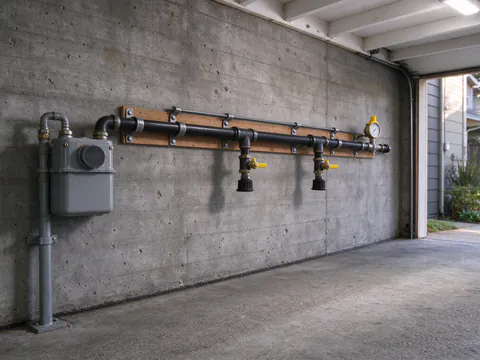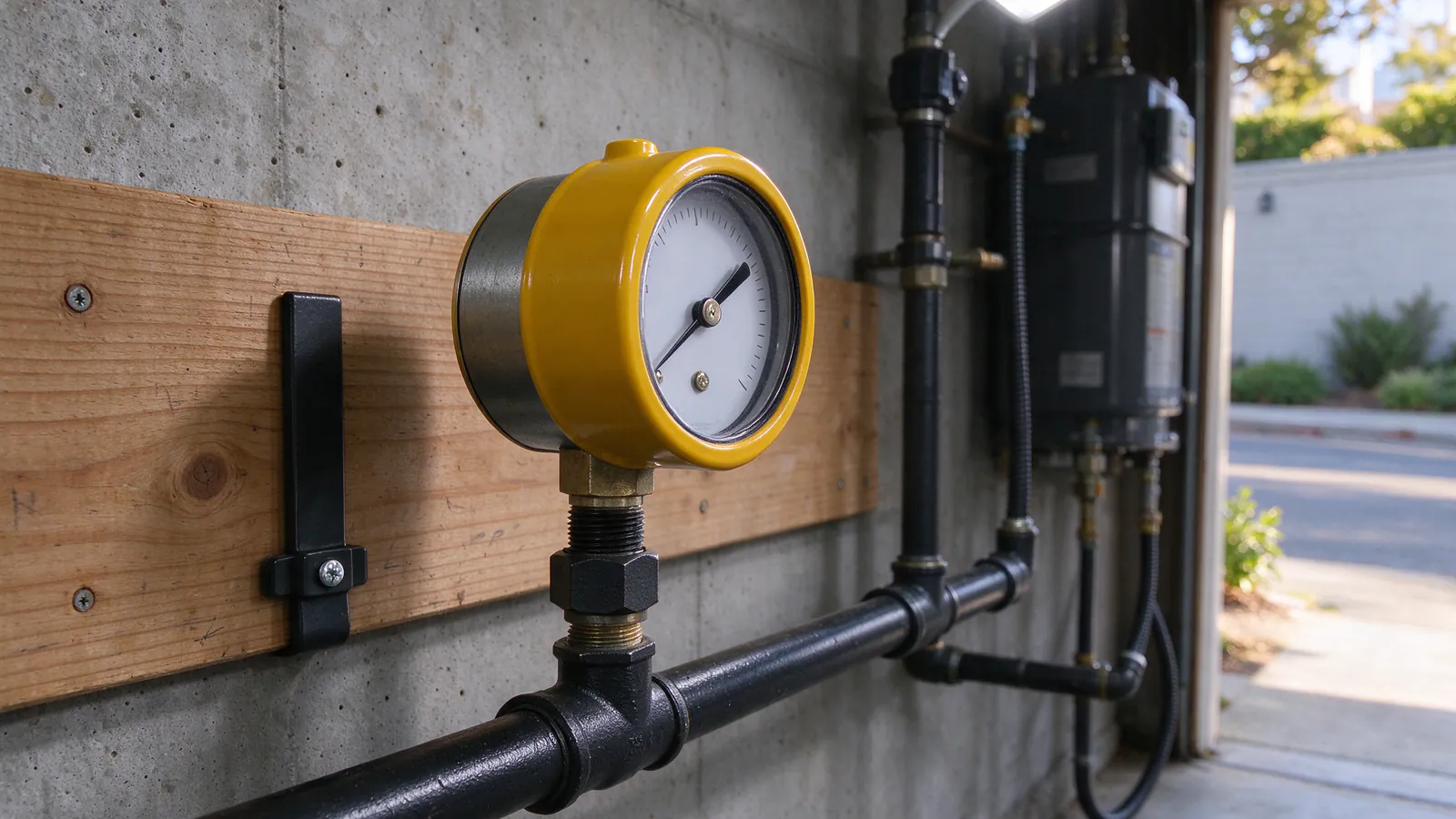
Yes. In San Francisco, installing, replacing, extending or repairing gas piping by cutting into it needs a DBI plumbing permit, filed by a licensed contractor on PermitSF, with a pressure test and inspection before the pipe is covered. Gas service is not turned back on until the inspection is passed and PG&E is cleared to restore it. Hilltop Repipe San Francisco offers and manages gas line repiping across San Francisco, Daly City and South San Francisco, with the work carried out by licensed and insured contractors who pull the permit for the address.
What needs a permit
DBI’s rule is that a permit is needed before cutting into or replacing pipes, and gas piping is part of the plumbing system its plumbing permits cover. DBI’s fee categories say so directly: Category 2PA is plumbing for residential buildings of six or fewer units covering “water, gas, waste, vent.” Replacing a house’s gas lines, extending a line to a new range or dryer, moving a water heater’s connection, replacing a leaking section and installing a seismic gas shutoff valve on the house side of the meter are all permitted work.
San Francisco treats plumbing and mechanical work separately. The gas piping is plumbing; installing a gas appliance such as a furnace can need a mechanical permit as well. A replacement water heater of 100 gallons or less with no new flue is exempt from a building permit but needs a plumbing permit; water heater replacement covers that job. The amount of gas work under permit is substantial: DataSF shows 178 residential permit descriptions for gas line replacement or repiping over the two years from November 2024 to October 2026.
Who can file
Since September 14, 2026, new plumbing and mechanical permits without plans are applied for, and inspections scheduled, only on the PermitSF portal. DBI accepts plumbing permit applications from contractors holding a qualifying California license, with C-36 plumbing or C-4 named for plumbing permits. Only the owner of a stand-alone single-family house who lives there may pull a plumbing permit to do the work personally, and only after speaking with an inspector, who may require a licensed contractor instead.
Fees
DBI’s plumbing and mechanical fee table sets these issuance and inspection fees:
| Category | Covers | Fee |
|---|---|---|
| 1P | Single residential unit: water service, single fixture or single kitchen or bath remodel; single-unit gas line repairs are typically filed here | $290 |
| 1M | Single residential unit: one mechanical gas appliance | $290 |
| 2PA | Residential building of 6 or fewer units, plumbing including gas, no underground work | $549 |
| 2PB | The same, with underground work | $809 |
| 2M | Mechanical gas appliances, 6 or fewer units | $420 |
| 3PA to 3PC | Larger residential buildings, by unit count | $1,045 to $8,679 |
| Re-inspection | Each re-inspection or additional inspection | $259 per half hour |
| Off-hours inspection | Outside regular hours, 2- or 4-hour minimums | $555 per hour |
DBI requires a separate permit for each condominium and existing apartment unit (the apartment building repiping page explains how that plays out in a building), and each category on a permit is charged separately. Fees are paid before final signoff and before the gas tags that let service be restored. Which category a particular job falls in is confirmed when the permit is filed. The San Francisco repiping permit guide covers the water side of the same permit system, and when gas and water lines are replaced together in a whole-house repipe, the guide to how repiping works describes the sequence.
The test and the inspection
The California Plumbing Code, which San Francisco adopts with local amendments, requires gas piping to be inspected before it is concealed and again at final. Before the rough inspection, the new piping is pressure tested in the inspector’s presence:
- Typical house piping. Air, carbon dioxide or nitrogen at not less than 10 psi, held at least 15 minutes with no drop in pressure.
- Welded piping, or gas above 14 inches of water column. 60 psi for 30 minutes.
- CSST at those higher pressures. 30 psi for 30 minutes.
A test that drops means a leak somewhere in the new work, and a failed inspection costs a re-inspection at $259 per half hour, which is one reason the contractor tests before the inspector arrives.
Gas lines to replace or extend?
The written scope names the route, material, permit category and test, and the contractor books the inspection.
Getting the gas turned back on
After the final inspection, the code calls for a certificate to be issued and a copy sent to the gas supplier, and it is unlawful for the gas supplier to turn on gas or set a meter until that certificate exists. Only the gas supplier may turn on or reconnect service that has been off. In San Francisco that supplier is PG&E, and permit descriptions on DataSF refer to the “gas tags” or “pink tags” and the PG&E release that follow a passed inspection. PG&E’s crews inspect the meter, clear residual gas, restore service and relight pilots with the customer present.
The practical effect is that unpermitted gas work can leave a building without gas: if the service was shut off for the work, there is no lawful path for PG&E to restore it without the city’s signoff.
San Francisco’s material rules
San Francisco amends the state code in two places that matter for gas piping. Gas piping in exterior locations must be galvanized iron or steel with galvanized fittings. Corrugated stainless steel tubing (CSST) systems must be electrically continuous and bonded to the electrical grounding electrode system with a jumper of at least 6 AWG copper, no longer than 75 feet, using listed devices. San Francisco’s mechanical code adds vent rules for gas appliances, including terminating gas vents at least 4 feet from a property line except along a public way; the heat pump vs tankless guide explains how that affects tankless water heaters.
Seismic gas shutoff valves
State law lets cities require earthquake-sensitive gas shutoff valves on the customer’s piping downstream of the meter, and the plumbing code requires them only where a local ordinance does. San Francisco has no such mandate in its plumbing or mechanical code. Installing one voluntarily is still permitted work: DataSF shows 33 permit descriptions for seismic or excess-flow gas valve installs over the same two-year window, mostly in Category 1P. The valve must be State-certified and installed on the house line after the meter and service tee; PG&E does not install or service them.
All-electric rules and new gas lines
San Francisco requires new buildings with permit applications filed on or after June 1, 2021 to be all-electric, with no gas piping for heating, water heating, cooking or drying. Since July 1, 2026, a Major Renovation must also be all-electric when it is a significant alteration and replaces space and water heating for the whole building, or installs new systems serving 80% or more of the conditioned floor area. In an existing building that isn’t a Major Renovation, replacing or repairing gas lines remains ordinary permitted work. The Bay Area gas water heater rule guide covers the separate Air District rule for new gas water heaters.
Daly City and South San Francisco
Daly City’s online permit portal lists a “Gas Pipe Repair” application type. Its fee schedule charges $101 to issue a plumbing permit plus $14 for a gas piping system of one to four outlets and $14 for each additional outlet. A Daly City business license is required to work in the city. South San Francisco prices single-family plumbing, mechanical and electrical permits per trade by job valuation, takes applications online and lets licensed contractors pull permits for their trade; anyone paid for permitted work needs a South San Francisco business license. In both cities, the same state code test and inspection apply before gas is restored. The Daly City and South San Francisco pages cover local permits for water piping.
If you smell gas
Permits are for planned work. If you smell gas, hear it escaping or see a broken gas line, leave the building and call 911, then PG&E at 1-800-743-5000. PG&E’s meters have a service shutoff valve that closes with a quarter turn, with the tang crosswise to the pipe, which PG&E says to use only if you smell or hear gas or see a broken line. The burst pipe guide covers water emergencies.
For gas line work scoped, permitted and tested through to PG&E’s release, call or send the form with the appliances the line serves.